
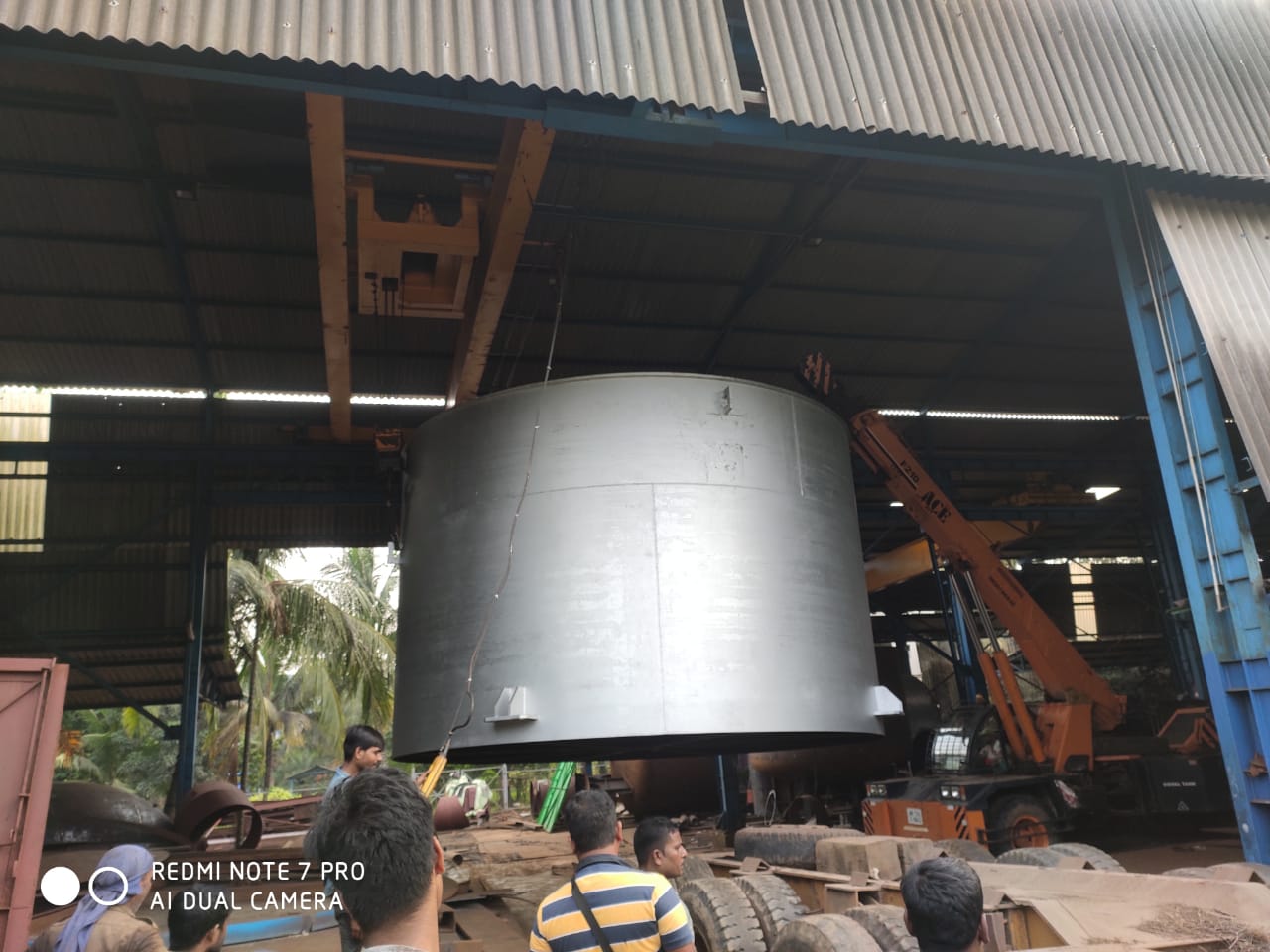
Industrial Tanks and Furnace Ladles: Types, Materials, Applications and Selection
Explore the tank and ladle configurations used in industrial processes and the key design, material and operating details to confirm.
Industrial tanks and furnace ladles serve different roles, but both must be specified around the process they support. Tanks are designed to store, mix or process liquids and other materials. Furnace ladles are used to hold and transfer molten metal in steel plants, foundries and metal-casting operations.
Capacity alone is not enough to define either product. Material, dimensions, operating conditions, support arrangements, process connections, safety requirements and inspection plans should all be considered during specification.
Industrial Tanks: Types and Applications
An industrial tank may be designed as a storage tank, mixing tank, process tank or pressure tank. Its shape can be cylindrical, vertical, horizontal, rectangular or conical, depending on the available space, contents and process.
Typical applications include chemical processing, oil and gas, water treatment, steel plants and food-industry operations. The intended use determines important design details such as material, wall thickness, operating pressure, temperature, nozzles, fittings and surface treatment.
Materials and Tank Configurations
Material options listed for industrial tanks include mild steel, stainless steel and carbon steel. The appropriate choice depends on the stored or processed material, operating conditions, compatibility requirements and project specification.
Airavat International lists a capacity range from 500 litres to 100,000+ litres and a customizable thickness range of 3 mm to 25 mm. Other stated specification options include atmospheric or application-specific pressurized design, operating temperatures up to 500°C, insulation, skid or supported mounting, and inlet, outlet, vent, drain and manhole connections. Confirm all values and options for the specific project before ordering.
Surface-finish options may include painted, epoxy-coated, galvanized or mirror-finish stainless steel. Hydro testing, non-destructive testing and leak testing can be considered as required by the project. ASME, IS or API requirements should be identified by the buyer and confirmed for the design.
Furnace Ladles: Types and Applications
Furnace ladles are heavy-duty vessels used to handle molten metal. Depending on the operation, a ladle may use lip pouring, bottom pouring, teapot-style construction or a slag-handling arrangement.
Ladles are used in steel plants, foundries and metal-casting industries. The operating process determines the required capacity, lining, pouring mechanism, trunnion arrangement, crane or rail mounting and safety features.
Ladle Materials and Operating Details
Airavat International lists mild steel or carbon steel for the shell and refractory bricks or castable refractory as lining options. Its stated capacity range is 500 kg to 300 tons, with operating temperatures up to 1600°C depending on the application.
Pouring mechanisms may be manual, gear-operated, hydraulic or motorized. Other project details can include fixed or rotating trunnions, high-temperature insulation, heat-resistant surface coating, safety lugs, locking mechanisms and heat shields. Load testing, non-destructive testing and dimensional inspection may be specified for the project.
How to Specify an Industrial Tank
Before requesting a tank quotation, confirm:
- Process and contents: Describe what the tank will store or process and any compatibility considerations.
- Capacity and dimensions: State working capacity, overall dimensions, shape and available installation space.
- Material and thickness: Identify the required material and design basis for thickness.
- Operating conditions: Specify pressure, temperature and any insulation or lining requirements.
- Connections and access: List nozzles, fittings, manholes, vents, drains and instrumentation needs.
- Support and finish: Confirm mounting arrangement, surface finish and environmental exposure.
- Inspection and standards: Identify applicable design standards, testing and documentation requirements.
How to Specify a Furnace Ladle
For a furnace ladle, share the metal or material handled, required capacity, operating temperature, pouring method, crane or rail arrangement, trunnion type, refractory lining and safety requirements. Drawings and details about the existing process equipment help confirm fit and handling clearances.
Because a ladle works in a high-temperature, heavy-load environment, buyers should define testing and inspection requirements as part of the technical specification rather than after fabrication.
Choosing a Supplier for Custom Industrial Equipment
Industrial equipment is often tailored to the plant and process. Buyers should review technical drawings, material specifications, operating limits, connection details, surface protection, inspection scope, packing and delivery requirements before placing an order.
Airavat International lists industrial tanks and furnace ladles within its iron and steel product portfolio. Project requirements, quantities, drawings, applicable standards and destination details can be discussed to establish the required configuration.
Conclusion
Industrial tanks and furnace ladles need different designs, but both depend on a clear understanding of the process, operating conditions, materials and inspection needs. A complete specification should describe how the equipment will be used and how it must connect to the wider plant.
For a project-specific inquiry, share the expected capacity, material, operating requirements, drawings, standards, quantity and delivery destination to support a detailed discussion.
Frequently Asked Questions (FAQs)
1. What types of industrial tanks are available?
Options can include storage, mixing, process and pressure tanks in shapes such as cylindrical, vertical, horizontal, rectangular or conical.
2. Which materials are used for industrial tanks?
Mild steel, stainless steel and carbon steel are listed material options. The final selection depends on contents, operating conditions and project requirements.
3. What details are needed for a tank quotation?
Provide capacity, dimensions, contents, material, operating pressure and temperature, connections, mounting, surface finish, standards and testing requirements.
4. What is a furnace ladle used for?
A furnace ladle holds and transfers molten metal in applications such as steelmaking, foundry work and metal casting.
5. What is the listed capacity range for furnace ladles?
Airavat International lists capacities from 500 kg to 300 tons, with customization subject to project requirements.
6. Which pouring mechanisms can be specified for a ladle?
Options listed include manual, gear-operated, hydraulic and motorized mechanisms. The suitable arrangement depends on the process and handling system.